
Why the Canaries Stand Apart
Understanding the islands' unique combination of advantages and challenges shapes every aspect of project planning and execution.
PVGIS.COM
Loading simulation . . .

PHOTOVOLTAIC GEOGRAPHICAL INFORMATION SYSTEM

Please Confirm some Profile Information before proceeding
Are you sure you want to disconnect?
A validation email has just been sent to you at :
Please click on the link to confirm your registration.
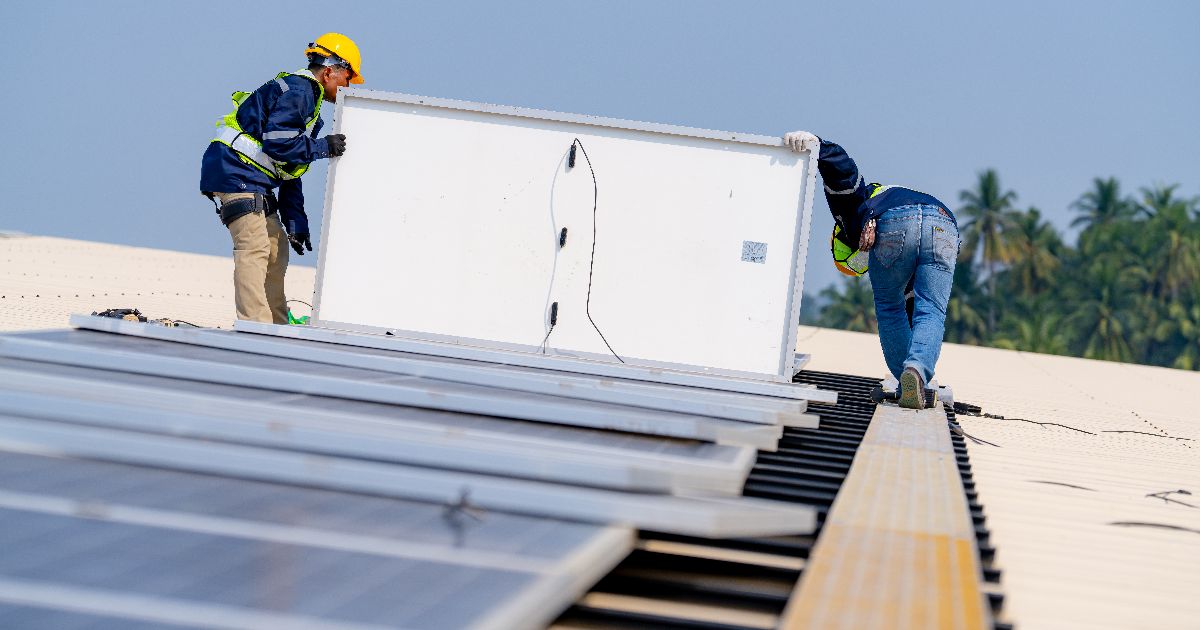
The Canary Islands present a solar opportunity unlike anywhere else in Spain. Situated off the African coast with subtropical climate, these Atlantic islands combine exceptional year-round sunshine with unique installation challenges.
Annual irradiation exceeding 1,800 kWh/m² rivals the best mainland locations, while isolated electrical grids and high electricity costs create compelling economics that would make even modest solar production attractive.
Yet island conditions—salt air, logistics complexity, limited grid capacity, and specialized permitting—require installers to adapt mainland approaches.
Understanding the islands' unique combination of advantages and challenges shapes every aspect of project planning and execution.

The Canaries' subtropical latitude around 28°N delivers remarkably consistent sunshine throughout the year. Tenerife, Gran Canaria, Lanzarote, and Fuerteventura all receive 1,800-2,100 kWh/m² annually depending on specific location and altitude.
More impressive than the raw numbers is the consistency—winter production typically reaches 65-75% of summer output, far less variation than the dramatic seasonal swings seen in northern Spain where winter drops to 35-45% of summer levels.
This production stability means steadier monthly electricity bill savings and more predictable cash flows. For businesses, eliminating seasonal revenue variations improves financial planning. For homeowners, seeing consistent savings year-round reinforces satisfaction with their solar investment.
A 5 kW system in Tenerife might produce 600-700 kWh even in December, compared to 900-1,000 kWh in July—still substantial variation, but nothing like the threefold swings typical on the mainland.
Each major island operates its own electrical grid, isolated from both the mainland and other islands. This isolation drives electricity costs significantly higher than peninsular Spain. Residential rates often reach €0.20-0.28 per kWh, with some customers paying even more under certain tariff structures.
Commercial rates run €0.15-0.22 per kWh. These premium prices make every kWh of solar production exceptionally valuable.
The isolated grids also mean limited capacity for absorbing surplus solar generation at scale. While current penetration remains low enough that individual installations face no technical barriers, the long-term growth trajectory suggests that battery storage will become increasingly important as solar adoption grows.
Forward-thinking installers position themselves for this transition by developing storage expertise now.
Subtropical doesn't mean simple. The islands' microclimates vary dramatically—coastal areas differ from inland locations, northern exposures face more clouds than southern exposures, and altitude creates significant variation within small geographic areas.
Tenerife's Mount Teide creates weather patterns that make the north distinctly cloudier than the south, potentially causing 20-30% production differences between locations just 30 kilometers apart.
Trade winds bring consistent breezes that help cool panels and improve efficiency, partially offsetting the warm ambient temperatures. But those same winds carry salt spray that accelerates corrosion on improperly specified equipment.
Understanding and accounting for these interconnected climate factors separates professional island installers from those simply applying mainland assumptions.
Every solar project involves logistics, but islands add layers of complexity that affect timelines, costs, and planning approaches.
Everything—panels, inverters, mounting systems, every component—arrives by ship or plane. Lead times stretch weeks longer than mainland deliveries, shipping costs add 15-25% to equipment expenses, and customs clearance introduces potential delays. A rush order that would arrive in Madrid within three days might take three weeks to reach Las Palmas.
This reality forces different inventory management strategies. Successful installers either maintain local equipment inventory for common components, accepting the carrying costs as business necessity, or they build longer project timelines into client expectations and scheduling.
The installers who struggle are those caught between approaches—promising mainland timelines without inventory backup, then dealing with frustrated clients when delays occur.
When equipment fails on the mainland, manufacturers or distributors can dispatch technicians within days. On the islands, that same service call might take weeks or simply never happen. This reality elevates equipment reliability from nice-to-have to business-critical.
Choosing manufacturers with established local service presence or distributors committed to island support prevents warranty issues from becoming customer satisfaction disasters.
Some installers differentiate by maintaining their own spare parts inventory for common failure modes—replacement inverters, combiner boxes, monitoring equipment. The carrying cost gets built into project pricing as service value, and customers facing rapid repairs instead of weeks-long waits become referral sources.
The islands' solar industry is growing but remains smaller than mainland markets, meaning the pool of experienced solar technicians is limited.
Training and retaining quality installation crews becomes more critical than in markets where skilled workers are readily available. Some installers bring crews from the mainland for larger projects, though this adds cost and logistical complexity.
The limited competition for experienced workers also means higher labor costs than comparable mainland markets. These costs need to flow through to project pricing—trying to match mainland pricing with island costs leads to unsustainable margins.
Making solar work in island environments requires attention to factors that mainland installers might overlook or consider secondary.
This flexibility helps when roof constraints limit orientation options.
Coastal locations face aggressive salt air corrosion that degrades standard equipment faster than manufacturers anticipate. Installations within five kilometers of the coast—which includes most Canary population centers—should use components specifically rated for marine or highly corrosive environments.
This means modules with robust frame construction and corrosion-resistant hardware, inverters in NEMA 4X or equivalent enclosures, stainless steel or heavily coated mounting systems, and comprehensive corrosion protection on all exposed connections.
The equipment premium for proper marine-grade specifications runs 10-15% above standard components, but the alternative is premature failures, warranty disputes, and reputation damage.
Professional island installers specify appropriate equipment from the start and educate clients about why proper components matter, rather than compromising specifications to hit lower price points.
Trade winds and occasional tropical storms create higher wind loads than most mainland locations experience.
Mounting systems must account for sustained winds and storm gusts that might occur once a decade but can destroy improperly engineered installations. Conservative structural engineering and robust mounting specifications add upfront cost but prevent catastrophic failures.
Many residential properties lack detailed structural documentation, requiring installers to make engineering assessments about roof capacity. When in doubt, conservative approaches prevent the liability nightmare of a roof collapse.
Some installers partner with local structural engineers for projects where roof capacity is questionable, adding professional validation that protects both installer and customer.
The Canaries' consistent sunshine and relatively low latitude (28°N compared to 37-43°N for mainland Spain) favor lower tilt angles than traditional rules of thumb suggest. Optimal tilts typically fall between 25° and 30° rather than the 30-38° common on the mainland.
The lower angle better captures the higher sun angles year-round while reducing wind loading on the system.
That said, local microclimates can shift these optimization calculations. Northern exposures on islands like Tenerife with significant cloud cover might benefit from slightly steeper tilts to better capture diffuse light. Professional modeling using location-specific irradiation data determines optimal configurations rather than defaulting to generic rules.
Constant humidity and salt air create harsh operating environments for electronics. Inverter selection should prioritize models with proven track records in tropical or marine environments, sealed enclosures with proper ventilation management, and warranty coverage that explicitly includes coastal installations.
Some manufacturers void warranties for installations near saltwater unless specific models designed for such environments are specified.
Indoor inverter installations, while adding complexity and cost, dramatically extend equipment life in coastal environments. For larger commercial systems, the investment in climate-controlled inverter rooms pays off through reduced failure rates and longer equipment life.
The islands' economy creates distinct solar opportunities shaped by tourism, agriculture, and residential patterns unique to island life.
Tourism dominates the Canary economy, creating substantial opportunities in hotels, resorts, vacation rental properties, and tourism-related businesses. These facilities consume significant electricity year-round, though with peak demand during tourist seasons that align reasonably well with solar production.
Modern tourists increasingly consider sustainability when choosing accommodations, making solar installations both cost-saving measures and marketing assets.
Vacation rental properties represent a particularly interesting segment. Owners often live elsewhere—even on the mainland or in other countries—and view island properties as investments.
They appreciate solar both for reducing operating costs and for the sustainability appeal that commands premium rental rates. Professional proposals that quantify both direct electricity savings and potential for enhanced rental income resonate with investor-owners.
Island residential electricity costs justify solar even for modest consumption households. A family using 3,000-4,000 kWh annually might spend €700-1,000 on electricity—enough to make a 3-4 kW system economically attractive despite smaller absolute savings than higher-consumption mainland households.
Island residents also demonstrate strong environmental consciousness and interest in energy independence. For populations dependent on diesel generation and fuel imports, solar represents reduced vulnerability to fuel price volatility and supply disruptions.
These non-economic motivations complement financial benefits and help overcome longer payback periods relative to mainland installations.
Commercial and Industrial
Commercial buildings, shopping centers, and light industrial facilities offer standard solar opportunities similar to mainland markets, though with the added economic boost from higher electricity rates.
A 100 kW commercial installation might save €18,000-25,000 annually in the Canaries compared to €12,000-16,000 for the same system on the mainland, improving project economics despite higher installation costs.
The limited competition among island installers for commercial projects means qualified installers can command healthy margins. Commercial clients understand that island costs exceed mainland pricing and accept this reality when working with professionals who deliver quality results.
Agricultural Applications
The Canaries' agricultural sector—including banana plantations, vineyards, and greenhouse operations—requires electricity for irrigation, climate control, and processing. These operations offer good solar opportunities, though the agricultural market tends to be price-sensitive and expects straightforward economics without complex financing structures.
Water desalination represents a unique agricultural and municipal need in the drier islands. Desalination is extremely energy-intensive, making it an ideal application for solar power.
While large municipal desalination plants require utility-scale solar beyond most installer capabilities, smaller private desalination operations for agriculture or rural communities present accessible opportunities.
Island economics combine favorable factors—high electricity rates, strong production—with challenges like elevated equipment and installation costs that require sophisticated analysis to communicate accurately.
The Cost-Benefit Balance
Equipment, shipping, labor, and logistics drive installed costs 20-30% higher than comparable mainland projects. A residential system costing €1.20-1.40 per watt on the mainland might run €1.50-1.75 per watt in the Canaries. However, the higher electricity rates and strong production create offsetting benefits that prevent payback periods from stretching proportionally.
A mainland system with 7-year payback at €0.14 per kWh might show 8-9 year payback in the Canaries at €0.22 per kWh, despite the higher installation cost. The high rates don't fully compensate for increased costs, but they narrow the gap substantially.
Professional analysis that clearly presents both sides of this equation—higher upfront costs but also higher ongoing savings—helps clients understand the realistic value proposition.
Self-Consumption Optimization
Grid export compensation in the Canaries typically provides lower rates than mainland markets, making self-consumption optimization even more important. Sizing systems to maximize directly consumed electricity rather than grid exports improves project economics.
This often means recommending slightly smaller systems than clients initially consider, when production would significantly exceed consumption.
Detailed consumption analysis and production modeling help identify optimal system sizes. Tools that quickly compare multiple sizes—showing how self-consumption percentages, grid exports, and financial returns vary with capacity—enable data-driven sizing discussions that prevent over-sizing and the disappointing economics it creates.
Battery Storage Economics
Battery storage makes more economic sense in the Canaries than anywhere else in Spain. The high electricity rates, limited grid export value, and interest in energy independence combine to create favorable storage economics.
While storage still adds significant cost, the value proposition is stronger than mainland markets where lower rates and better grid export compensation reduce storage benefits.
Installers who develop storage expertise position themselves for market growth as battery costs continue declining. Even clients not currently installing storage appreciate installers who can discuss future expansion options and design systems with storage integration in mind.
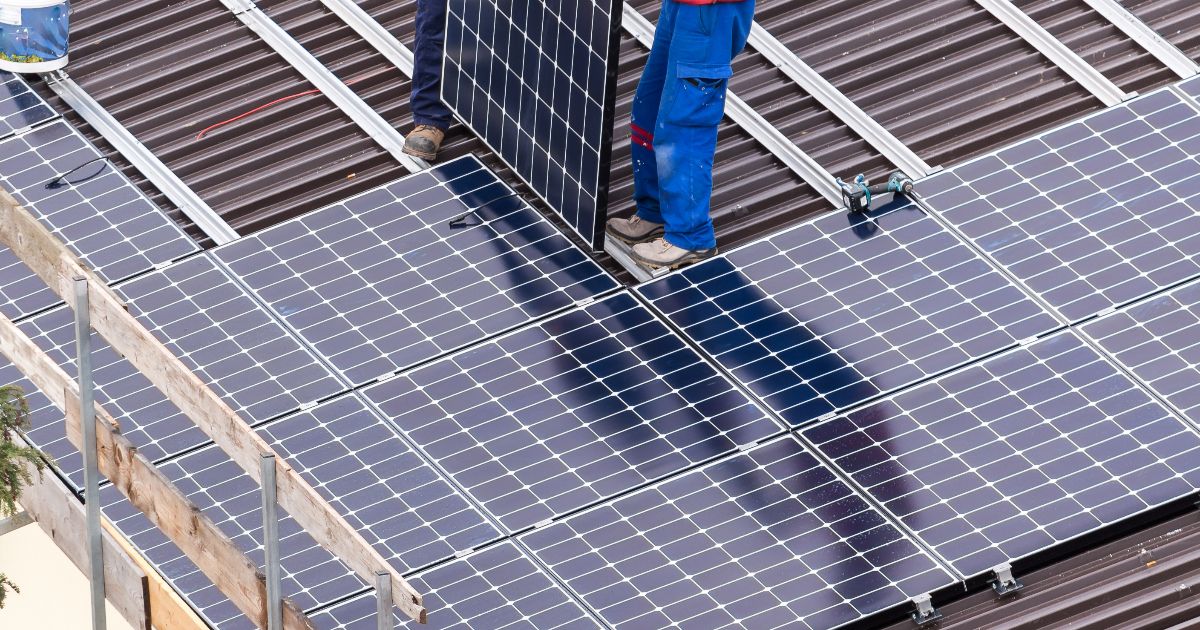
Island permitting and grid connection processes follow Spanish national frameworks but with regional implementation quirks that installers must navigate.
Municipal Variations Across Islands
Each island maintains its own permitting approaches, and requirements vary between municipalities on the same island. Major cities like Santa Cruz de Tenerife and Las Palmas have relatively streamlined processes for standard installations, while smaller towns may have less established procedures.
Building relationships with local officials and understanding specific requirements across operating areas prevents permitting delays.
Grid Connection Complexity
The isolated grids and limited capacity mean utilities scrutinize grid connections more carefully than mainland utilities with massive interconnected grids. Larger commercial installations may face more detailed technical reviews and requirements than equivalent mainland projects. Understanding utility concerns and designing installations that address potential grid impacts prevents approval delays.
Environmental and Building Regulations
Some island locations face additional environmental or heritage protection regulations affecting installation design. Coastal zones, areas near natural parks, and historic districts may have restrictions on visible installations or require specific aesthetic considerations.
Professional installers familiar with these requirements design compliant systems from the start rather than facing retrofit demands after installation.
Island projects demand tools sophisticated enough to handle complex scenarios while maintaining efficiency on smaller projects where margins are tight.
Microclimate-Specific Data
The dramatic variations in solar potential across short distances—Tenerife's north-south divide, altitude effects on all islands, local weather patterns—require irradiation data far more granular than mainland applications.
GPS-level precision isn't just nice to have, it's essential for accurate predictions. A tool using regional averages might miss 20% production differences between locations 15 kilometers apart.
Access to detailed satellite-derived irradiation data that captures these microclimates ensures accurate performance predictions. When production differences between sites are this significant, precision in modeling directly affects customer satisfaction and installer reputation.
Complete Scenario Analysis
Island projects benefit from comprehensive scenario evaluation—different system sizes varying self-consumption rates, equipment options balancing cost versus marine-grade specifications, with-and-without storage comparisons, and orientation alternatives when roof constraints limit options.
Thoroughly exploring these scenarios requires tools that make multiple simulations practical rather than time-prohibitive.
Unlimited simulation capabilities enable the thorough analysis that island projects deserve without worrying about per-analysis costs constraining exploration. The differences between good and optimized designs are larger in island environments where constraints are tighter and economics are more sensitive to design decisions.
Long-Term Financial Projections
Island projects' higher costs and longer paybacks require financial tools that effectively communicate long-term value.
Twenty-five-year projections showing cumulative savings, electricity price escalation scenarios demonstrating hedge value, and sensitivity analysis for different assumptions all help clients understand investments that might look marginal on simple payback calculations but compelling over full system lifetimes.
Professional financial reports that clearly present multi-decade value propositions distinguish serious installers from those offering basic quotes. In markets where longer paybacks are the reality, the quality of financial communication becomes critical for conversion.
Success in Canary solar markets requires business approaches adapted to island realities rather than simply transplanting mainland strategies.
Inventory and Supply Chain Management
The logistics challenges push successful installers toward maintaining local equipment inventory for common system configurations. This requires capital investment and warehouse space, but it enables responsive project execution that customers value and that creates competitive advantage over installers dependent on per-project mainland shipments.
Relationships with reliable shipping and customs brokers smooth the supply chain for special orders and large projects. These partnerships become part of the operational infrastructure that enables reliable project delivery.
Service and Maintenance Positioning
The difficulty of warranty service from mainland manufacturers creates opportunities for installers who position themselves as long-term service partners. Offering maintenance agreements, monitoring services, and guaranteed response times adds recurring revenue while differentiating from install-and-disappear competitors.
This service focus requires infrastructure—vehicle inventory, spare parts, trained technicians—but it builds sustainable businesses rather than project-by-project operations vulnerable to market fluctuations.
Education and Realistic Expectations
Many island customers lack reference points for solar costs and performance, having limited exposure to mainland markets.
Professional installers take educational approaches, explaining why island costs exceed mainland pricing, demonstrating production potential with location-specific data, honestly discussing payback timelines, and showing real performance data from existing local installations.
This transparency builds trust that wins projects and generates referrals. Customers appreciate realistic expectations over inflated promises, and they remain satisfied when systems perform as predicted rather than disappointing compared to unrealistic projections.
The Canary Islands won't ever be easy solar markets—logistics complexity, equipment requirements, and cost pressures ensure that. But for installers willing to master the unique requirements, they offer opportunities that reward expertise.
High electricity rates, exceptional sunshine, growing environmental awareness, and limited competition create conditions where professional installers can build successful businesses.
The keys are realistic cost structures that reflect island realities, technical specifications appropriate for marine environments, thorough analysis using accurate local data, honest client communication about expectations, and service infrastructure that supports long-term relationships.
Installers who bring these capabilities to markets where many potential customers still question solar viability find opportunities others miss.