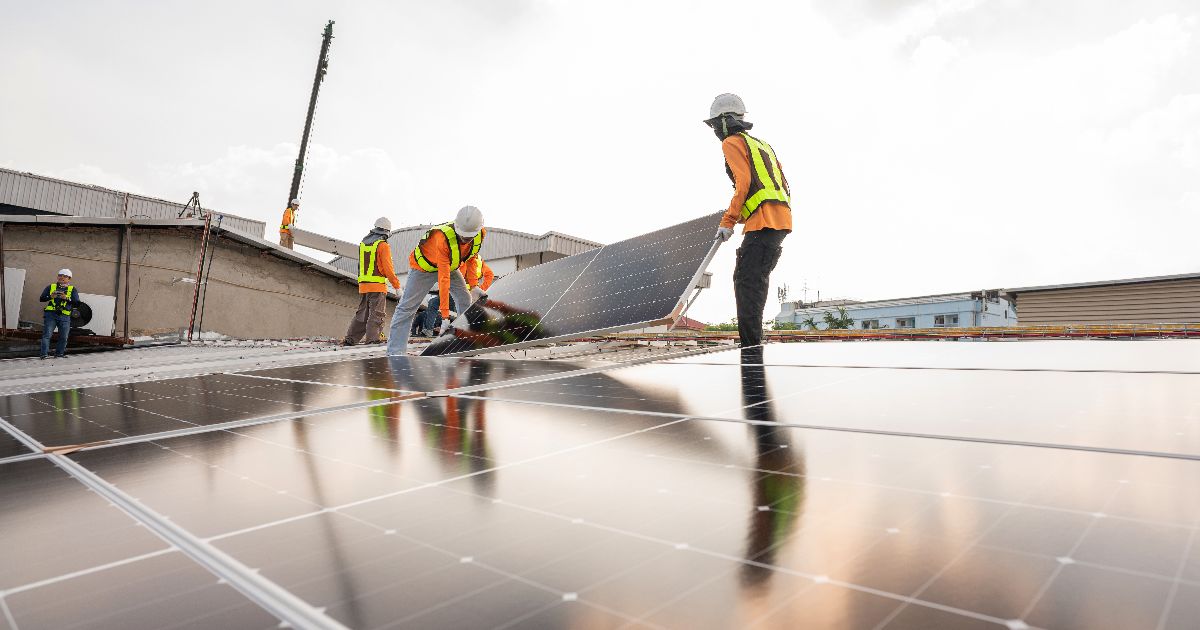
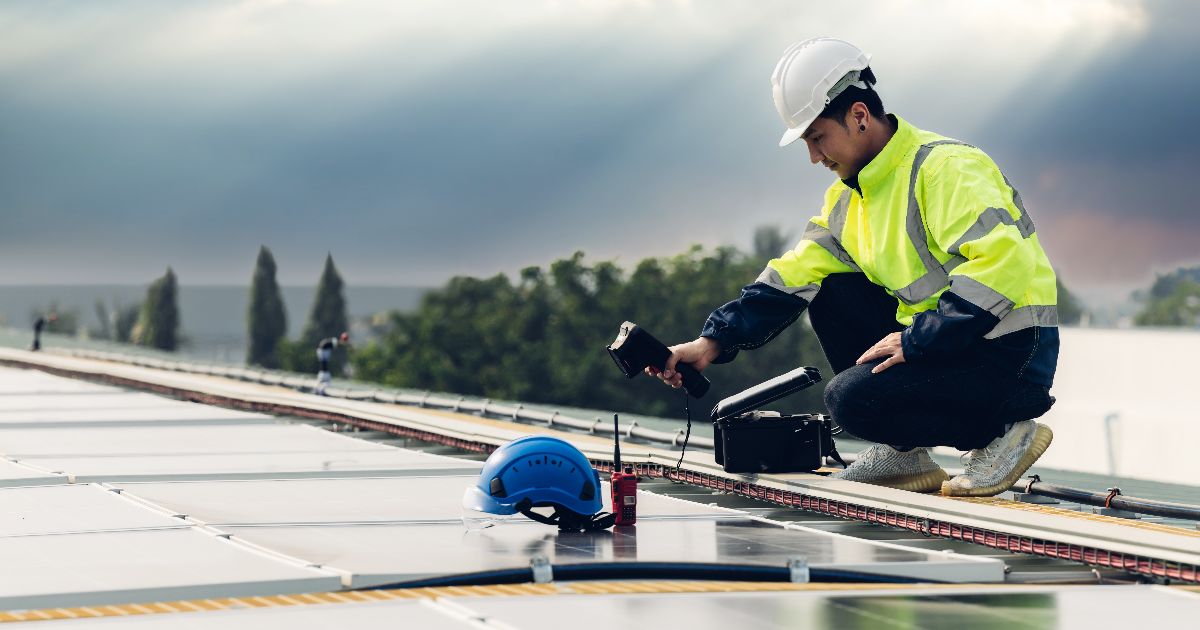
Solar Installation in Valencia: Mediterranean Coast Solar Energy Guide

Valencia and the surrounding Mediterranean coast offer exceptional opportunities for solar energy
installations, combining favorable solar resources with moderate coastal climate and strong market demand.
With annual irradiation ranging from 1,600 to 1,700 kWh/m² and over 2,800 hours of sunshine yearly, the
Valencia region provides excellent conditions for photovoltaic projects.
The coastal location brings temperature advantages that enhance panel performance while the region's
agricultural heritage, tourism sector, and growing urban population create diverse market opportunities.
Valencia's Mediterranean Solar Advantage
Understanding Valencia's specific solar characteristics and how they compare to other Spanish regions helps
installers position projects effectively and set accurate expectations.
Solar Irradiation and Climate Benefits
Valencia receives approximately 1,600-1,700 kWh/m² of annual global horizontal irradiation, placing it in
the favorable range among Spanish regions. While slightly below the exceptional levels found in Andalusia's southern locations,
Valencia offers comparable resources to Madrid and Barcelona, with the added
advantage of moderate coastal temperatures that benefit photovoltaic performance.
The Mediterranean climate provides relatively consistent conditions year-round, with mild winters and warm but
not extreme summers. This moderate temperature profile helps solar panels maintain higher efficiency compared to
hotter inland regions where extreme temperatures reduce output during peak production months.
The coastal influence keeps summer roof temperatures 8-12°C cooler than inland areas, translating to
approximately 3-5% higher panel efficiency during July and August.
Coastal Zone Variations
Solar resources vary somewhat across Valencia's Mediterranean coastline. The city of Valencia and immediate
coastal areas receive approximately 1,650 kWh/m² annually, while locations slightly inland can reach 1,700
kWh/m² due to reduced coastal cloud influence. Northern coastal areas toward Castellon show similar levels,
while southern areas approaching Alicante may see slightly higher irradiation approaching 1,750 kWh/m².
Professional installers should use location-specific data rather than regional averages, as these variations can
impact annual production by 5-8%. Precise GPS-based irradiation data ensures accurate performance predictions
and prevents over-promising on system output.
Seasonal Production Patterns
Valencia demonstrates moderate seasonal variation in solar production. Summer months produce approximately
2.2-2.5 times more energy than winter months, less extreme than the variations seen in northern Spain but more
pronounced than the year-round consistency of locations like the Canary Islands.
A typical 5 kW residential installation in Valencia produces approximately 400-450 kWh in December and 850-950
kWh in July, accounting for system losses including temperature effects, soiling, and inverter efficiency.
These monthly variations affect self-consumption rates and grid export volumes, making detailed monthly modeling
important for setting accurate client expectations about electricity bill savings throughout the year.

Valencia's Diverse Solar Markets
The Valencia region's economic diversity creates opportunities across multiple market segments, each with
distinct characteristics and requirements.
Residential Self-Consumption
Valencia's residential market has grown substantially as homeowners recognize the economic benefits of solar
self-consumption. The region's mix of urban apartments, suburban homes, and coastal properties creates diverse
installation opportunities. Urban Valencia presents challenges similar to other dense cities, with shading from
adjacent buildings and limited roof access, while suburban and coastal areas offer more straightforward
installations.
Typical residential systems range from 3-7 kW, sized to match household consumption while maximizing
self-consumption rates. Valencia's moderate climate means air conditioning loads are significant but not as
extreme as inland Spain, creating balanced year-round consumption that pairs well with solar production.
Professional installers who can quickly model different system sizes and demonstrate optimized self-consumption
rates win more residential projects in this competitive market.
Agricultural Sector Opportunities
Valencia's agricultural heritage creates substantial solar opportunities. The region's citrus groves, vegetable
production, and rice cultivation require significant electricity for irrigation, processing, and storage.
Agricultural operations typically have daytime electricity demand that aligns well with solar production,
enabling high self-consumption rates that improve project economics.
Modern irrigation systems, cold storage facilities, and processing operations represent ideal candidates for
solar installations ranging from 20 kW to several hundred kilowatts. The agricultural sector often has available
land for ground-mounted systems when roof space is insufficient, creating flexibility in system design.
Professional installers who develop expertise in agricultural applications can differentiate themselves in this
substantial market segment.
Tourism and Hospitality
Valencia's growing tourism sector, including coastal resorts, city hotels, and rural tourism properties, presents
significant solar opportunities. Tourism facilities consume substantial electricity, particularly during summer
months when solar production peaks. This excellent alignment between energy demand and solar availability
creates attractive economics with high self-consumption rates.
Hotels and resorts increasingly emphasize sustainability in their marketing and operations. Solar installations
provide both economic benefits and marketing value, supporting sustainability certifications and appealing to
environmentally conscious travelers.
Professional proposals that quantify financial returns alongside sustainability benefits resonate strongly with
tourism sector clients.
Commercial and Industrial Market
Valencia's commercial sector, including the port area, industrial parks, and urban commercial buildings, offers
opportunities for larger solar installations. Logistics facilities, manufacturing operations, and commercial
buildings provide extensive roof areas and daytime electricity consumption patterns well-suited to solar
generation.
Commercial clients demand sophisticated analysis including detailed consumption matching, multiple financing
scenarios, integration with existing energy systems, and alignment with corporate sustainability goals.
The ability to quickly model various system configurations and generate professional comparative analyses is
essential for winning these projects. Commercial installations typically range from 50 kW to several megawatts,
offering significant revenue potential for qualified installers.
Technical Considerations for Valencia Installations
Valencia's coastal Mediterranean climate creates specific technical considerations that professional installers
must address for optimal system performance.
Temperature Performance Benefits
Valencia's moderate coastal temperatures provide a significant performance advantage compared to hotter inland
regions. Summer roof temperatures typically reach 50-58°C, approximately 10-15°C cooler than inland
locations like Madrid or Seville.
Since photovoltaic panels lose 0.35-0.45% efficiency per degree Celsius above 25°C, this temperature
difference translates to 4-6% higher output during peak summer months.
Professional performance modeling that accounts for actual operating temperatures rather than standard test
conditions captures this advantage and provides realistic production estimates. This temperature benefit
partially offsets Valencia's slightly lower irradiation compared to southern Spain, resulting in competitive
annual energy yields per installed kilowatt.
Coastal Environmental Factors
Installations within several kilometers of the Mediterranean coast must account for salt air exposure. While not
as severe as direct marine environments, coastal Valencia experiences sufficient salt deposition to warrant
appropriate component selection.
Using modules and mounting systems rated for coastal or marine environments ensures long-term reliability and
prevents premature corrosion.
Regular rainfall during autumn and winter naturally cleans panels and removes salt deposits, though extended dry
periods in summer can lead to accumulation that slightly reduces output. Professional proposals should account
for typical soiling losses (3-5% annually) and include guidance about optional cleaning services during extended
dry spells to maintain optimal performance.
Optimal System Orientation
At Valencia's latitude of approximately 39°N, optimal fixed tilt angles for maximizing annual production
typically range from 30° to 35°. South-facing installations at these angles capture maximum yearly
irradiation, though client-specific consumption patterns may suggest alternative configurations.
For clients with summer-peaking consumption—common in coastal areas due to tourism and air conditioning
loads—slightly lower tilt angles (25-30°) can better match production with demand by increasing summer
output at the expense of some winter generation.
Conversely, clients seeking to maximize winter production might benefit from steeper tilts. Professional modeling
tools that quickly simulate various orientations and tilt angles enable optimization for specific client needs
rather than applying generic configurations.
Urban Shading Challenges
Valencia's urban areas present typical city shading challenges from adjacent buildings, chimneys, and rooftop
obstacles. Professional site assessment must carefully evaluate shading patterns throughout the year, as even
partial shading can significantly impact system performance, particularly for systems using traditional string
inverters.
Modern power optimization technologies including microinverters and DC optimizers mitigate partial shading losses
by allowing each panel to operate independently. However, these solutions add cost requiring economic
justification through detailed shading analysis.
Accurate modeling that quantifies shading impacts and compares different technology options helps clients make
informed decisions about whether optimization technology is justified for their specific installation.
Financial Analysis for Valencia Solar Projects
Effective financial modeling is essential for converting interested prospects into signed contracts. Valencia's
electricity rates and available incentives create compelling economics that professional installers must
communicate clearly.
Electricity Rates and Self-Consumption Economics
Valencia's electricity prices vary by consumer type and tariff structure. Residential consumers typically pay
€0.12-0.18 per kWh, while commercial users pay €0.10-0.15 per kWh depending on consumption level and
contract terms. These rates make self-consumed solar electricity economically attractive, as the avoided cost of
grid electricity exceeds the levelized cost of solar generation.
Professional financial analysis should calculate realistic self-consumption percentages based on client
consumption patterns and proposed system size. Residential installations without battery storage typically
achieve 30-45% self-consumption, while commercial facilities with daytime-heavy consumption may reach 60-75%.
Higher self-consumption rates improve project economics by maximizing electricity savings at retail rates rather
than receiving lower compensation for grid exports.
Project Economics and Payback Periods
Valencia's combination of good solar resources and moderate electricity prices typically results in payback
periods of 6-8 years for residential installations and 5-7 years for commercial projects with high
self-consumption. These timeframes make solar investments attractive compared to many alternative uses of
capital.
Professional proposals should present financial analysis over the full system lifetime (typically 25-30 years),
demonstrating substantial long-term value beyond simple payback calculations. Including projected electricity
price increases, degradation assumptions, and maintenance costs provides comprehensive financial pictures that
help clients understand the full investment value.
Multiple Financing Scenarios
Modern solar clients expect analysis of various financing approaches. Professional proposals should include cash
purchase showing total savings and internal rate of return, loan financing with various terms and interest
rates, leasing options where available, and net present value calculations across scenarios.
The ability to generate multiple financing scenarios quickly during client consultations accelerates
decision-making and improves conversion rates. Professional financial modeling tools that handle different
payment structures while maintaining accuracy across complex calculations streamline this process and ensure
consistency across proposals.
Regional and Municipal Incentives
The Valencia regional government and various municipalities offer financial support for solar installations
through programs that change periodically. These may include direct subsidies covering 20-40% of installation
costs, property tax reductions for buildings with solar systems, and expedited permitting processes that reduce
administrative costs and delays.
Professional installers should maintain current knowledge of available programs and proactively incorporate them
into proposals. Many clients are unaware of incentive opportunities, making installer expertise in navigating
these programs a valuable service that improves project economics and demonstrates professionalism.
Professional Tools for Valencia Solar Success
Success in Valencia's competitive market requires professional tools that enable efficient workflows while
delivering high-quality analysis and proposals.
Location-Specific Irradiation Data
Valencia's coastal geography creates irradiation variations across the region. Generic calculators using regional
averages cannot account for the 5-8% production differences between coastal, urban, and slightly inland
locations. Access to GPS-specific irradiation data ensures proposals reflect actual site conditions rather than
broad estimates.
Professional calculation tools with comprehensive satellite-derived irradiation databases enable installers to
input exact installation coordinates and receive accurate performance predictions. This precision prevents
over-promising and ensures that installed systems meet or exceed projections, building installer reputation and
reducing post-installation disputes.
Unlimited Simulations for Project Optimization
Each Valencia installation presents unique characteristics requiring customized analysis. Roof orientations,
shading patterns, consumption profiles, and client budgets vary significantly across residential, commercial,
and agricultural projects. The ability to simulate multiple system configurations without constraints enables
thorough optimization.
Professional subscriptions offering unlimited simulations per GPS location eliminate workflow bottlenecks and
encourage comprehensive analysis. Rather than limiting evaluation to one or two basic configurations, installers
can explore numerous scenarios including different system sizes, various orientations and tilt angles,
alternative equipment selections, and shading mitigation strategies.
This thoroughness improves both system performance and financial returns while demonstrating professional
expertise to clients.
Comprehensive Financial Modeling
Valencia's competitive market requires detailed financial analysis beyond simple payback calculations.
Professional tools must handle multiple financing scenarios, sensitivity analysis for different assumptions,
comparison of various system sizes, and long-term projections including maintenance and degradation.
Advanced financial modeling capabilities enable installers to address sophisticated client expectations
efficiently. The ability to model different financing structures—cash purchase, various loan terms,
leasing—and compare them side-by-side helps clients make informed decisions.
Professional reports that present this analysis clearly distinguish serious solar companies from competitors
providing basic quotes.
Professional Report Generation
High-quality proposal documents build client confidence and improve conversion rates. Professional reports should
include site-specific irradiation data and production estimates, detailed system specifications and equipment
information, monthly production profiles and self-consumption analysis, comprehensive financial projections with
multiple scenarios, clear system layouts and installation plans, and warranty information and maintenance
guidance.
Investment in professional documentation delivers returns through higher closing rates, fewer post-sale
questions, and enhanced reputation. Valencia's clients increasingly expect this level of detail and may question
installers who cannot provide it. Tools that efficiently generate polished reports make this quality standard
achievable without excessive time investment.
Regulatory Environment in Valencia
Understanding Valencia's regulatory framework ensures smooth project execution and demonstrates professionalism
to clients.
Regional Solar Support Policies
The Valencia regional government has established supportive policies for renewable energy, including streamlined
permitting for standard installations, financial incentive programs, and technical support for complex projects.
These policies create a favorable business environment and reduce administrative barriers for solar installers.
Municipal Permitting Requirements
Solar installation requirements vary across Valencia's municipalities. The city of Valencia has generally
streamlined permitting for standard residential systems, while requirements in smaller coastal towns and inland
municipalities may differ. Professional installers maintain knowledge of requirements across their service areas
and factor realistic timelines into project planning.
For standard residential installations meeting pre-defined criteria, many municipalities offer expedited approval
processes. Understanding these streamlined pathways reduces project timelines and demonstrates efficiency to
clients. Larger commercial installations require more comprehensive permitting including structural engineering
approval and detailed electrical plans.
Grid Connection Process
Connecting solar systems to Valencia's electrical grid requires coordination with local utilities. The process
includes technical application and documentation, grid impact studies for larger installations, installation
inspection and approval, and meter installation or modification for net metering. Understanding utility
requirements and maintaining good relationships with local representatives expedites connections and prevents
delays.
Competitive Positioning in Valencia's Market
Thriving in Valencia's growing solar market requires differentiation through quality, expertise, and professional
service rather than competing solely on price.
Technical Excellence and Optimization
Demonstrating technical expertise differentiates professional installers from commodity competitors. This
includes detailed site-specific analysis and performance modeling, optimization of system configuration for
client needs, clear explanation of equipment options and trade-offs, and integration with existing electrical
systems and future expansion plans.
The ability to quickly generate sophisticated analysis shows clients they're working with experts who understand
their specific needs rather than installers applying generic solutions to every project.
Market Segment Specialization
Some installers succeed by developing expertise in specific market segments. Opportunities in Valencia include
agricultural solar installations and irrigation systems, tourism and hospitality sector projects, commercial
installations with complex consumption patterns, residential community solar for apartment buildings, and
integrated solar and battery storage systems.
Specialization enables premium pricing for expertise while reducing direct competition with generalist installers
focused on simple residential projects. Developing deep knowledge in a specific segment creates reputation and
referral networks within that market.
Superior Customer Service
Excellent customer service throughout the entire customer journey generates referrals and repeat business. Key
elements include responsive communication and rapid proposal turnaround, transparent pricing and realistic
performance expectations, professional installation with minimal disruption, comprehensive documentation and
client training, and ongoing support and optional maintenance services.
Many installers focus entirely on winning new projects while neglecting post-installation relationships.
Maintaining contact with clients, ensuring system performance meets projections, and being readily available for
questions builds lasting relationships that generate referrals and opportunities for system expansions or
additional properties.
Future Trends in Valencia's Solar Market
Understanding emerging trends helps installers position themselves for continued growth as the market evolves.
Agricultural Innovation and Agrivoltaics
Valencia's agricultural sector increasingly explores innovative solar applications including elevated agrivoltaic
systems that combine energy generation with continued crop production. These installations provide electricity
while creating beneficial microclimates that reduce water evaporation and heat stress on plants.
Installers who develop expertise in agricultural applications position themselves for growth in this emerging
segment.
Battery Storage Integration
While currently a small market segment, battery storage paired with solar installations is gaining traction.
Batteries increase self-consumption rates, provide backup power during outages, and enable participation in grid
services programs.
As battery costs continue declining, this segment will grow substantially. Installers who develop battery
integration expertise early will benefit as this market matures.
Electric Vehicle Charging Integration
Valencia's growing electric vehicle adoption creates opportunities for integrated solar and EV charging
solutions. Homeowners and businesses installing EV chargers benefit from pairing them with solar generation to
offset increased electricity consumption. Professional analysis that models EV charging loads alongside solar
production demonstrates the synergies between these technologies.
Conclusion: Building Success in Valencia's Solar Market
Valencia and the Mediterranean coast offer strong opportunities for professional solar installers combining
favorable solar resources, moderate climate advantages, diverse market segments, and supportive policies.
Success requires technical expertise, efficient operations, professional tools, and commitment to customer
service.
The ability to quickly generate accurate, customized proposals backed by precise location-specific data and
sophisticated financial analysis differentiates market leaders from struggling competitors. As Valencia's solar
market continues maturing, clients increasingly expect and reward this level of professionalism.
Professional installers who invest in quality calculation tools, comprehensive financial modeling capabilities,
and polished proposal generation position themselves to capture market share while maintaining healthy margins.
Understanding Valencia's characteristics within the broader context of solar energy across Spain enables
strategic positioning across multiple regional markets.